The Best Books on Writing to Improve Your Craft in 2026
Ever read something so good you had to stop and wonder how the writer did it? Great writing looks easy, but it takes skill and practice.
The right book can teach you those skills. Some books help with grammar and spelling. Others show you how to tell better stories. A few can change how you think about writing completely.
Whether you’re just starting out, stuck on a project, or want to make your writing more interesting, these books can help. They’ve helped thousands of writers get better at their craft.
Ready to find the books that will make your writing shine? Let’s explore the best guides for writers at every level.
📋 Table of Contents
- 🏆 Our Top 5 Quick Picks for 2025
- 📊 Best Writing Books Comparison
- 📝 Best Books on Grammar & Style
- 📚 Best Books on Nonfiction Writing & Memoir
- ✍️ Best Books on Fiction Writing
- ⚙️ Best Books on the Writing Process & General Writing Advice
- 📖 Best Books on Book Publishing & Marketing
- ❓ Frequently Asked Questions
🏆 Our Top 5 Quick Picks for 2026
Best Overall
On Writing: A Memoir of the Craft
Part memoir, part masterclass from one of the world’s most successful authors. TIME Magazine’s Top 100 Nonfiction books of all time.
Perfect for: All writers seeking inspiration, fiction writers, anyone wanting honest advice about the writing life
Best for Beginners
On Writing Well
The classic guide to writing clear, concise, and engaging nonfiction. Essential principles for effective writing with timeless wisdom.
Perfect for: Beginning writers, nonfiction writers, anyone wanting to improve clarity and style
Best for Motivation
Bird by Bird
A warm, witty exploration of the writing process. Perfect for overcoming writer’s block and embracing imperfect first drafts.
Perfect for: Struggling writers, those with writer’s block, anyone needing encouragement and creative inspiration
Best for Grammar
The Elements of Style
The timeless guide to grammar and style. Concise, authoritative advice on proper usage and composition for all writers.
Perfect for: All writers, students, professionals needing grammar fundamentals, style reference
Best for Structure
The Writer’s Journey
Master the fundamental structures of compelling storytelling using mythic patterns and archetypal character development.
Perfect for: Fiction writers, screenwriters, anyone crafting narratives with universal appeal
👆 Can’t decide? Start with “On Writing” for inspiration or “On Writing Well” for fundamentals
FTC Disclosure: Bad Grammarian may receive compensation from the companies whose courses and products we showcase with no added cost to you. We only partner with the very best and most reputable companies. Bad Grammarian is independently owned, and the opinions expressed here are our own.
📚 Best Writing Books Comparison
Compare 15 top-rated books to find your perfect writing guide
| Book & Author | Rating | Category | Skill Level | Key Focus Areas | Est. Price |
|---|---|---|---|---|---|
|
On Writing: A Memoir of the Craft
|
Process | All Levels | Writing habits, craft insights, author journey, perseverance | $12-16 | |
|
On Writing Well
|
Nonfiction | Beginner | Clarity, simplicity, nonfiction techniques, style | $13-17 | |
|
Bird by Bird
|
Process | All Levels | Writer’s block, motivation, first drafts, creative process | $14-18 | |
|
The Elements of Style
|
Grammar | All Levels | Grammar rules, style principles, concise writing | $8-12 | |
|
The Writer’s Journey
|
Fiction | Intermediate | Story structure, character archetypes, hero’s journey | $16-20 | |
|
Steering the Craft
|
Fiction | Intermediate | Character development, narrative voice, language craft | $15-19 | |
|
Storycraft
|
Nonfiction | Intermediate | Narrative nonfiction, story structure, journalism | $18-22 | |
|
Writing Tools
|
Process | All Levels | 55 practical strategies, word choice, narrative techniques | $14-18 | |
|
Chicago Manual of Style
|
Grammar | Advanced | Citation, formatting, publishing standards | $35-45 | |
|
Grammar Girl’s Quick and Dirty Tips
|
Grammar | Beginner | Common mistakes, grammar rules, mnemonics | $12-16 | |
|
Self-Editing for Fiction Writers
|
Fiction | Intermediate | Self-editing, showing vs telling, narrative voice | $15-19 | |
|
The Emotion Thesaurus
|
Fiction | All Levels | Character emotions, body language, expression | $13-17 | |
|
Zen in the Art of Writing
|
Process | All Levels | Creative inspiration, joy of writing, intuition | $11-15 | |
|
Everybody Writes
|
Process | Beginner | Content marketing, online writing, practical advice | $16-20 | |
|
Before and After the Book Deal
|
Publishing | Intermediate | Publishing process, book deals, author platform | $17-21 |
📋 Category Guide
GrammarStyle, mechanics, and language fundamentals
FictionStorytelling, character development, narrative craft
NonfictionClear communication, narrative nonfiction techniques
ProcessWriting habits, motivation, and creative strategies
PublishingGetting published, marketing, and business aspects
Best Books on Grammar & Style
Master the fundamentals of English grammar and punctuation with these essential books. Perfect for any writer looking to polish their prose and ensure accuracy.
The Elements of Style by William Strunk Jr. and E.B. White
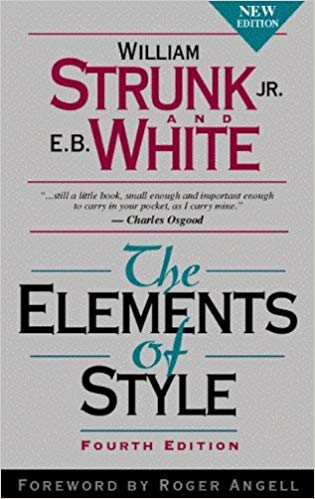 ‘The Elements of Style’ is a timeless guide to grammar and style. This slim volume is packed with essential rules and principles for effective writing.
Its concise and authoritative advice on proper usage and composition makes it a go-to reference for writers of all levels. I consider it a non-negotiable tool for those seeking to master the fundamentals of the English language. This is a must-have on any list of the best books on writing.
The Chicago Manual of Style
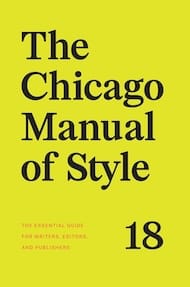
For writers, editors, and publishers seeking the definitive guide to style and usage, ‘The Chicago Manual of Style, 18th Edition’ is an indispensable resource. This comprehensive manual covers various topics, from grammar and punctuation to citation and formatting, providing clear and authoritative guidance for all aspects of written communication. Known for its meticulous detail and practical advice, ‘Chicago’ is the go-to reference for ensuring consistency and professionalism in your work.
This book can be a bit pricey, but it will be worth the investment for your writing toolkit. The 18th edition features updated guidelines and reflects the evolving landscape of digital publishing and scholarly communication. Whether you’re working on a manuscript, academic paper, or website content, ‘The Chicago Manual of Style’ is essential for maintaining the highest standards of accuracy and clarity. It’s a cornerstone of our best books on writing category, particularly for those focused on formal writing and publishing.
The Associated Press Stylebook 2024-2026
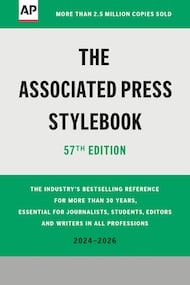
The AP Stylebook is updated regularly to reflect changes in language and current events, making it an indispensable tool for maintaining credibility and professionalism. This edition covers the latest updates and best practices, making it a must-have for writers and editors.
The AP Stylebook is your definitive reference for clear, concise, and accurate communication.
The Only Grammar Book You’ll Ever Need: A One-Stop Source for Every Writing Assignment by Susan Thurman
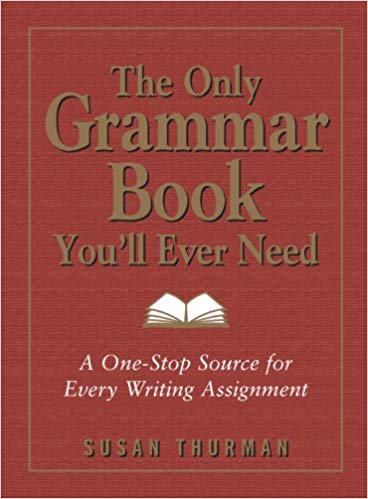 If you’re looking for a comprehensive and accessible guide to mastering the intricacies of English grammar, ‘The Only Grammar Book You’ll Ever Need’ by Susan Thurman is an excellent choice. This book serves as a one-stop resource, covering everything from basic punctuation and sentence structure to more advanced concepts like verb tenses and clause usage. Thurman’s clear and concise explanations make complex grammar rules easy to understand, and the inclusion of numerous examples and exercises helps reinforce learning.
This book provides the essential tools you need to communicate effectively. This is a practical and user-friendly guide, designed to eliminate the confusion and frustration often associated with grammar. If you want to build a solid foundation in grammar and write with confidence, this book is a valuable investment.
The Birds and Bees of Words: A Guide to the Most Common Errors in Usage, Spelling, and Grammar by Mary Embree
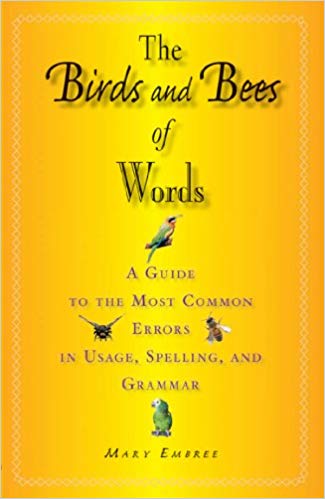 This book features more than 1,000 words on the list of new and inventive words; and discusses nearly 30,000 more words in sections, including a look at word roots and how they are used in modern language; a list of commonly misspelled or misunderstood words; and a style guide to usage rules and how and why they can be broken.
Anyone intrigued by language, fascinated by words, or wants to use our language clearly and effectively will enjoy “The Birds and Bees of Words.”
Grammar Girl’s Quick and Dirty Tips for Better Writing by Mignon Fogarty
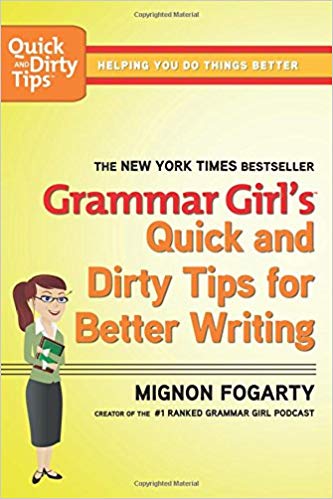 Make grammar fun and easy with ‘Grammar Girl’s Quick and Dirty Tips for Better Writing’ by Mignon Fogarty, the voice behind the popular Grammar Girl podcast. This book, drawn from her popular podcast, tackles common grammar mistakes with wit, warmth, and memorable tricks.
Fogarty, determined to wipe out bad grammar, provides clear explanations and helpful mnemonics to help you recall and apply those troublesome grammar rules. From ‘between vs. among’ to comma splices and misplaced modifiers, this book covers a wide range of topics in an accessible and engaging style. If you’re looking for a user-friendly guide to improve your grammar and write confidently, Grammar Girl is here to help!
Semicolon: The Past, Present, and Future of a Misunderstood Mark by Cecelia Watson
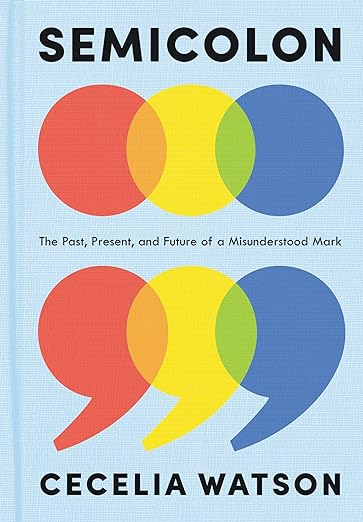
With a “gadfly’s spirit,” Watson thoughtfully lobbies for written English that resists restrictions. If you’re a grammar enthusiast, a history buff, or simply someone who appreciates a good story, ‘Semicolon’ offers a fresh and insightful perspective on a small but powerful piece of punctuation.
Best Books on Nonfiction Writing & Memoir
Explore the art of crafting compelling narratives and characters with these expert resources. From character development to plot twists, find the tools to bring your Learn the techniques of writing engaging and informative nonfiction and memoirs with these invaluable book selections. Discover how to tell true stories with clarity and impact.
On Writing Well: The Classic Guide to Writing Nonfiction by William Zinsser
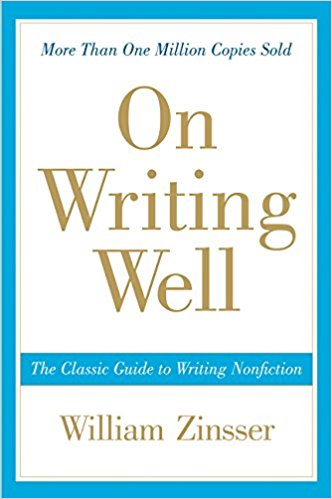 William Zinsser’s ‘On Writing Well’ remains an indispensable guide for anyone striving to write clear, concise, and engaging nonfiction. This classic delves into the essential principles of effective writing, emphasizing simplicity, clarity, and the elimination of clutter.
Zinsser’s practical advice covers a wide range of topics, from word choice and sentence structure to the nuances of style and tone. He encourages writers to develop their unique voice and to write with humanity and warmth. Whether you’re a student, a professional, or an aspiring author, ‘On Writing Well’ provides invaluable tools for crafting compelling narratives and impactful prose. This book is not just a guide; it’s a mentor, offering wisdom and encouragement to writers of all levels. If you want to refine your nonfiction writing and communicate with clarity and grace, this book is essential to your library. It’s a key resource and a top recommendation in our best books on writing list.
Storycraft, Second Edition: The Complete Guide to Writing Narrative Nonfiction by Jack Hart
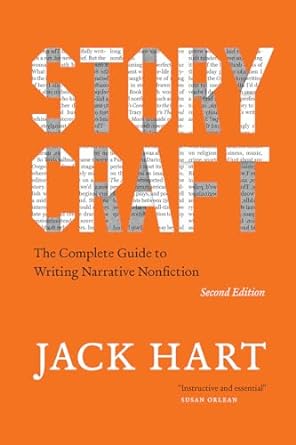
The second edition expands on the original by delving into podcasting and incorporating new insights from recent research into storytelling and the brain. If you’re a journalist, nonfiction writer, or anyone looking to master the art of narrative, ‘Storycraft’ provides invaluable lessons gleaned from Hart’s decades-long career guiding Pulitzer Prize-winning narratives. It’s a key resource for understanding and executing narrative nonfiction and a top recommendation in our best books on writing category.
On Writing: A Memoir of the Craft by Stephen King

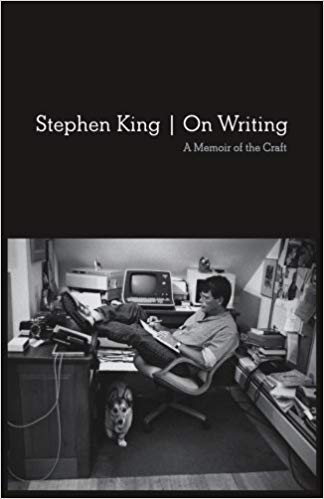 One of TIME Magazine’s Top 100 Nonfiction books of all time – Part memoir, part master class, Stephen King’s ‘On Writing: A Memoir of the Craft’ is a uniquely insightful and practical guide for writers of all levels. More than just a collection of tips, this book shares the experiences, habits, and convictions that have shaped one of the world’s most successful authors.
King blends vivid memories from his life – from childhood to his near-fatal accident – with invaluable lessons on the craft of writing, covering everything from the basic tools of the trade to the importance of perseverance. ‘On Writing’ is both inspiring and empowering, offering a revealing and often humorous look into the mind of a master storyteller. Called a “one-of-a-kind classic” by The Wall Street Journal, and “The best book on writing. Ever.” by The Plain Dealer, this book is a must-have for any serious writer.
Consider This: Moments in My Writing Life after Which Everything Was Different by Chuck Palahniuk
Drawing on his own experiences, beloved classics, and a “kitchen-table MFA” culled from fellow authors, Palahniuk combines practical advice with concrete examples, anecdotes from decades on the road, and much more. This is a love letter to stories, storytellers, and books themselves. If you’re a fan of Palahniuk’s work or an aspiring writer looking for unconventional wisdom and a peek into the mind of a modern master, ‘Consider This’ is a must-read.
Working by Robert Caro

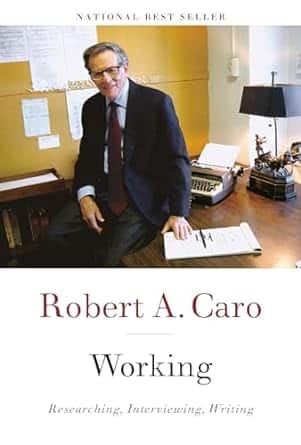
From his relentless pursuit of primary sources to his legendary interviewing techniques, Caro provides practical advice and inspiring anecdotes that will resonate with writers of all genres. ‘Working’ is more than just a how-to guide; it’s a testament to the power of perseverance and the importance of uncovering the truth.
As The Washington Post stated, “Caro is a master of the form.” If you’re passionate about writing, history, or simply pursuing excellence, ‘Working’ is an essential addition to your library.
Best Books on Fiction Writing
Explore the art of crafting compelling narratives and characters with these expert resources. Find the tools to bring your stories to life from character development to plot twists.
Bird by Bird: Some Instructions on Writing and Life by Anne Lamott

 Anne Lamott’s ‘Bird by Bird’ is more than just a writing guide; it’s a warm, witty, and deeply personal exploration of the writing process. Lamott’s candid approach to overcoming writer’s block and embracing the imperfections of first drafts makes this book incredibly relatable.
It’s a must-read for anyone ever intimidated by the blank page. Her advice on taking things ‘bird by bird’ is an excellent method for those who struggle with large projects. This is a top pick amongst the best books on writing for those seeking encouragement and creative inspiration.
Zen in the Art of Writing by Ray Bradbury
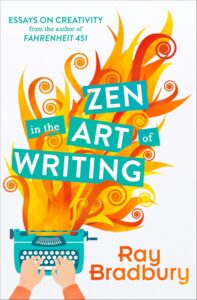
This book is not a dry instruction manual but a celebration of the joy of writing, fueled by Bradbury’s infectious enthusiasm. He shares his experiences and insights, revealing how he found inspiration in everyday life and transformed it into captivating stories. Bradbury’s writing is a call to embrace the power of intuition, to follow your passions, and to write with unbridled joy.
This book reminds us that writing should be an adventure, a journey of discovery, and a source of pure delight. If you’re seeking to reignite your creative spark and rediscover the magic of storytelling, ‘Zen in the Art of Writing’ is an essential companion.
Steering the Craft by Ursula K. Le Guin
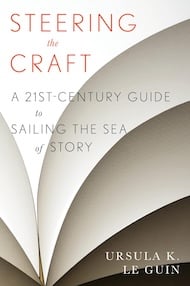
Her exercises and examples make this book both informative and engaging. I especially appreciated her emphasis on the importance of listening to the language. This is one of the best books on writing fiction.
Writing Fiction, Tenth Edition: A Guide to Narrative Craft by Janet Burroway
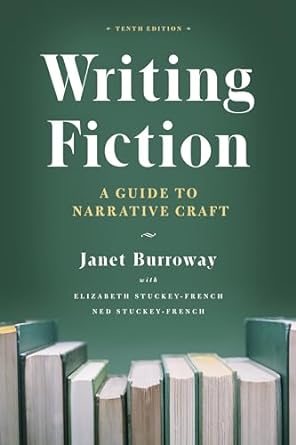
For decades, Janet Burroway’s “Writing Fiction” has been a vital resource for both aspiring and experienced fiction writers. This tenth edition of the bestselling classic, widely used in creative writing programs across the United States, offers practical and comprehensive guidance on all aspects of narrative craft, from freewriting to final revisions.
Burroway adopts an approachable tone and provides clear explanations, making complex concepts easy to understand. The book includes diverse examples and exercises that promote hands-on learning. Whether you’re concentrating on character development, plot structure, point of view, or any other element of fiction, this book offers invaluable insights and techniques to enhance your storytelling.
This edition features updated advice from contemporary authors and discusses current topics such as distraction, appropriation, various genres, and young adult fiction.
The Writer’s Journey: Mythic Structure for Writers by Christopher Vogler:
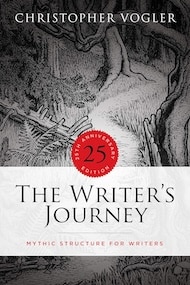
Vogler’s work provides a clear roadmap for creating stories with universal appeal. I’ve found it invaluable for outlining complex narratives and understanding characters’ emotional arcs. This anniversary edition offers an updated perspective on this classic resource, making it a must-have for anyone serious about mastering the craft of storytelling. It’s a key resource for understanding story structure and a top recommendation in the best books on writing category.
Self-Editing for Fiction Writers by Renni Browne and Dave King
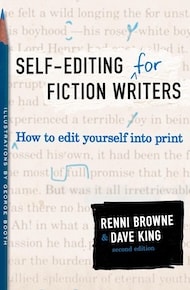
This second edition offers updated insights and exercises, making it a powerful tool for any writer looking to polish their work before submission. If you’re serious about mastering the art of self-editing and ensuring your fiction shines, this is a must-have guide.
The Emotion Thesaurus: A Writer’s Guide to Character Expression by Becca Puglisi and Angela Ackerman

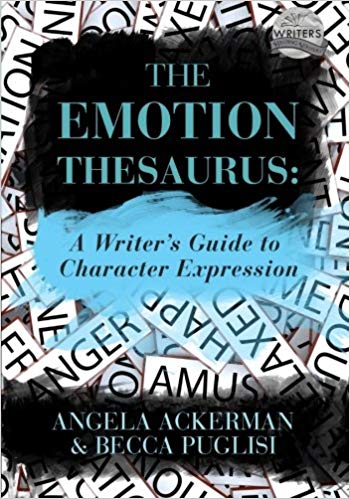 One of the biggest challenges for writers is conveying emotion in a fresh and authentic way. ‘The Emotion Thesaurus’ by Becca Puglisi and Angela Ackerman comes to the rescue, providing a wealth of inspiration for crafting compelling character expressions. This book goes beyond simple ‘show, don’t tell’ advice, offering a comprehensive list of body language cues, thoughts, and visceral responses for a wide range of emotions.
Whether you’re struggling to depict subtle nuances or powerful outbursts, this thesaurus will help you find the perfect way to convey your character’s feelings. This guide has been hailed as the ‘gold standard for writers’. This book is an invaluable tool if you want to write characters whose emotions leap off the page. It’s a top recommendation for those focused on fiction and character development.
Story Genius: How to Use Brain Science to Go Beyond Outlining and Write a Riveting Novel (Before You Waste Three Years Writing 327 Pages That Go Nowhere) by Lisa Cron
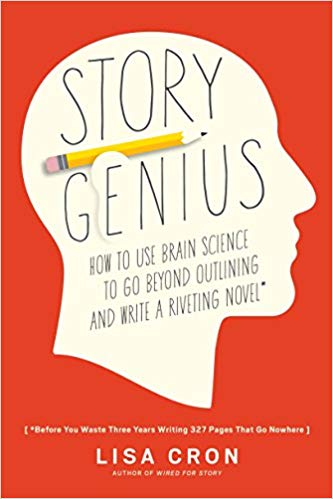

Do you want to write a novel that genuinely captivates readers? In Story Genius, Lisa Cron, a story coach and consultant, reveals how to harness the power of cognitive storytelling strategies. This isn’t just another outlining guide; Cron delves into how our brains are wired to process and crave stories, providing a step-by-step method for building a scene-by-scene blueprint for a novel with depth, urgency, and emotional resonance.
Learn how to go beyond plot and create a story that taps into the fundamental elements that make stories unforgettable. If you’re tired of first drafts that feel like rewrites, ‘Story Genius’ offers a revolutionary approach to crafting a novel with the authority and richness of a sixth or seventh draft, right from the start. It’s a key resource for understanding story structure and one of our favorite books on writing.
Best Books on the Writing Process & General Writing Advice
Discover essential strategies for improving your writing process and unlocking your creative potential. These books offer practical advice for writers of all levels.
Writing Tools: 55 Essential Strategies for Every Writer by Roy Peter Clark
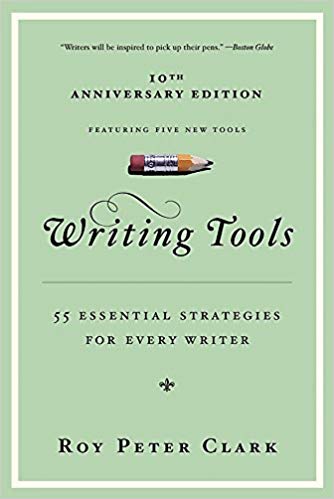 Roy Peter Clark’s ‘Writing Tools’ offers a practical, accessible, and inspiring guide for writers of all levels. This book distills the craft of writing into 50 essential strategies, covering everything from word choice and sentence structure to narrative techniques and storytelling principles.
Clark’s approach is grounded in real-world examples and actionable advice, making it easy to apply these tools to your own writing. Whether you’re a student, professional, or aspiring author, ‘Writing Tools’ provides a valuable toolkit for improving your clarity, style, and impact. This book is not just a list of rules, but a guide to understanding the art and science of effective communication.
Everybody Writes: Your New and Improved Go-To Guide to Creating Ridiculously Good Content: 2nd Edition, by Ann Handley
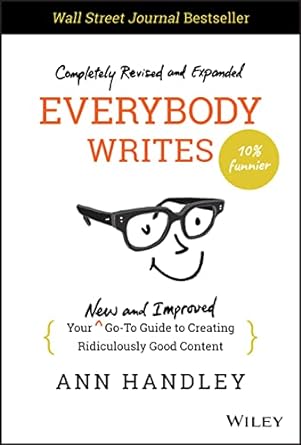
 Everybody Writes by Ann Handley is a guidebook for those looking to improve their writing skills, specifically in content marketing. This newly revised and updated edition provides readers with practical, actionable advice and insights on the process and strategy of content creation, production, and publishing. It covers various topics such as attracting and retaining customers with excellent online communication, choosing words wisely, crafting credible and trustworthy content, and more.
With updated examples, tools, resources, and a step-by-step writing framework, readers can access the latest information and insights on writing for marketing. This book includes 19 specific types of content marketers write, providing readers with the fundamentals of each. Handley’s witty and practical approach to writing will inspire and boost confidence in readers, making the writing process more enjoyable. By the end of this book, readers will have all the tools and knowledge necessary to create page-turning content that their audience will love consistently, and that will deliver actual results.
Best Books on Book Publishing & Marketing
Navigate the publishing world and learn how to promote your work with these insider guides. Find the resources you need to succeed, from getting a book deal to building your author platform.
Before and After the Book Deal: A Writer’s Guide to Finishing, Publishing, Promoting, and Surviving Your First Book by Courtney Maum

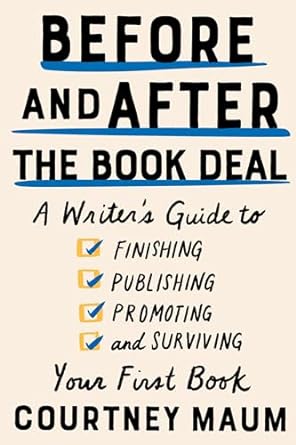
With over 150 contributors, including bestselling authors, agents, and editors, this book covers everything from finishing your manuscript and finding an agent to understanding book deals, promoting your work, and managing the emotional rollercoaster of publication. It addresses logistical and existential questions, offering practical advice and intimate anecdotes on even the most taboo topics in the industry.
How to Blog a Book: Write, Publish, and Promote Your Work One Post at a Time by Nina Amir

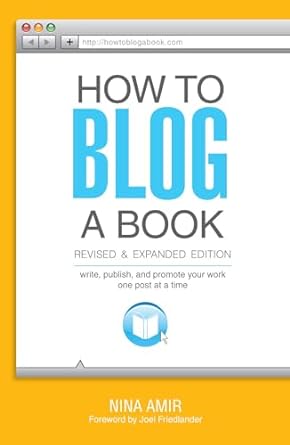
Amir provides a step-by-step guide to planning, writing, and publishing your book using a blog and strategies for promoting your work and building a platform. This revised and expanded edition includes updated information on self-publishing, social media, and online marketing.
If you’re looking for an innovative and effective way to write and publish your book, blogging might be the perfect solution. It’s a key resource and a top recommendation in the best books on writing category, particularly for those interested in non-traditional publishing methods. Start blogging your way to a finished book.
❓ Frequently Asked Questions
What is the best writing book for beginners with no experience?
“On Writing Well” by William Zinsser is perfect for complete beginners. It covers fundamental principles, emphasizes clarity and simplicity, and provides timeless wisdom for effective writing. For motivation and overcoming writer’s block, “Bird by Bird” by Anne Lamott specifically addresses common beginner struggles.
Which writing books help with writer’s block and motivation?
“Bird by Bird” by Anne Lamott directly tackles writer’s block with practical, encouraging advice. “On Writing” by Stephen King provides inspiration through personal stories and writing habits, while “Zen in the Art of Writing” by Ray Bradbury helps reignite creative passion and joy in writing.
What are the best books for improving grammar and style?
“The Elements of Style” by Strunk & White is the classic choice for grammar fundamentals and concise style principles. For user-friendly grammar help, “Grammar Girl’s Quick and Dirty Tips” by Mignon Fogarty makes grammar fun and memorable, while “The Chicago Manual of Style” serves as the comprehensive professional reference.
Which books teach fiction writing and storytelling techniques?
“The Writer’s Journey” by Christopher Vogler is the top choice for understanding story structure and character archetypes. “Steering the Craft” by Ursula K. Le Guin provides masterful insights into character development and narrative voice, while “Self-Editing for Fiction Writers” helps polish your fiction manuscript.
Are Stephen King’s writing books still relevant for modern writers?
Absolutely! “On Writing” by Stephen King remains incredibly relevant because it focuses on timeless fundamentals like daily writing habits, the importance of reading, and honest advice about the craft. Named one of TIME Magazine’s Top 100 Nonfiction books, it continues to inspire writers across all genres with practical wisdom that transcends trends.
What’s the difference between writing craft books and grammar books?
Grammar books (like “The Elements of Style”) focus on mechanics, punctuation, and language rules. Craft books (like “On Writing” or “Bird by Bird”) emphasize storytelling techniques, creative process, character development, and the art of engaging readers.
How many writing books should I read to improve my skills?
Start with 2-3 books maximum to avoid information overload. Choose one foundational book (“On Writing Well”), one inspirational guide (“On Writing”), and one specialized book based on your genre (fiction, nonfiction, or grammar). Focus on practicing techniques rather than reading more theory.
Which writing books include practical exercises and writing prompts?
“Writing Tools” by Roy Peter Clark includes 55 practical strategies with exercises. “Steering the Craft” by Ursula K. Le Guin provides hands-on exercises for fiction writers, while “Self-Editing for Fiction Writers” offers practical editing techniques and examples.
Are there writing books specifically for nonfiction and memoir writers?
“On Writing Well” by William Zinsser is the definitive guide for nonfiction writing, covering clarity, style, and various nonfiction forms. “Storycraft” by Jack Hart specializes in narrative nonfiction techniques, while “On Writing” by Stephen King includes memoir elements alongside craft advice.
What’s the best book for learning about the publishing industry?
“Before and After the Book Deal” by Courtney Maum provides comprehensive guidance on the entire publishing process, from finding agents to book promotion. With over 150 industry contributors, it covers both traditional and modern publishing paths, making it essential for understanding today’s publishing landscape.
Which books help with character development and emotional writing?
“The Emotion Thesaurus” by Becca Puglisi and Angela Ackerman is the definitive guide for conveying character emotions authentically. It provides body language cues, thoughts, and responses for various emotions. “Steering the Craft” by Ursula K. Le Guin also offers excellent insights into character development and voice.
How long does it take to see improvement after reading writing books?
You can see immediate improvements in awareness and technique within 1-2 weeks of reading and applying the advice. Significant skill development typically takes 30-60 days of consistent practice and writing. Mastery requires months or years of regular writing combined with study from resources like “On Writing” and “On Writing Well.”
Your Next Chapter: Taking Action on Your Writing Goals
I hope this list of the best books on writing empowers you to take your craft to the next level. Each of these books has something unique to offer, whether it’s a fresh perspective on grammar, a deep dive into narrative structure, or a behind-the-scenes look at the publishing world. Now, it’s your turn! Pick a book that resonates with you and start exploring. Or, if you have a favorite writing book that’s not on this list, please share it in the comments below. Let’s continue to learn and grow together as writers!
What books are on your list? Did we miss anything? Let us know in the comments!
Also, please review our list of excellent online writing courses. and favorite books on Public Speaking.


Posted in Writing Tips